

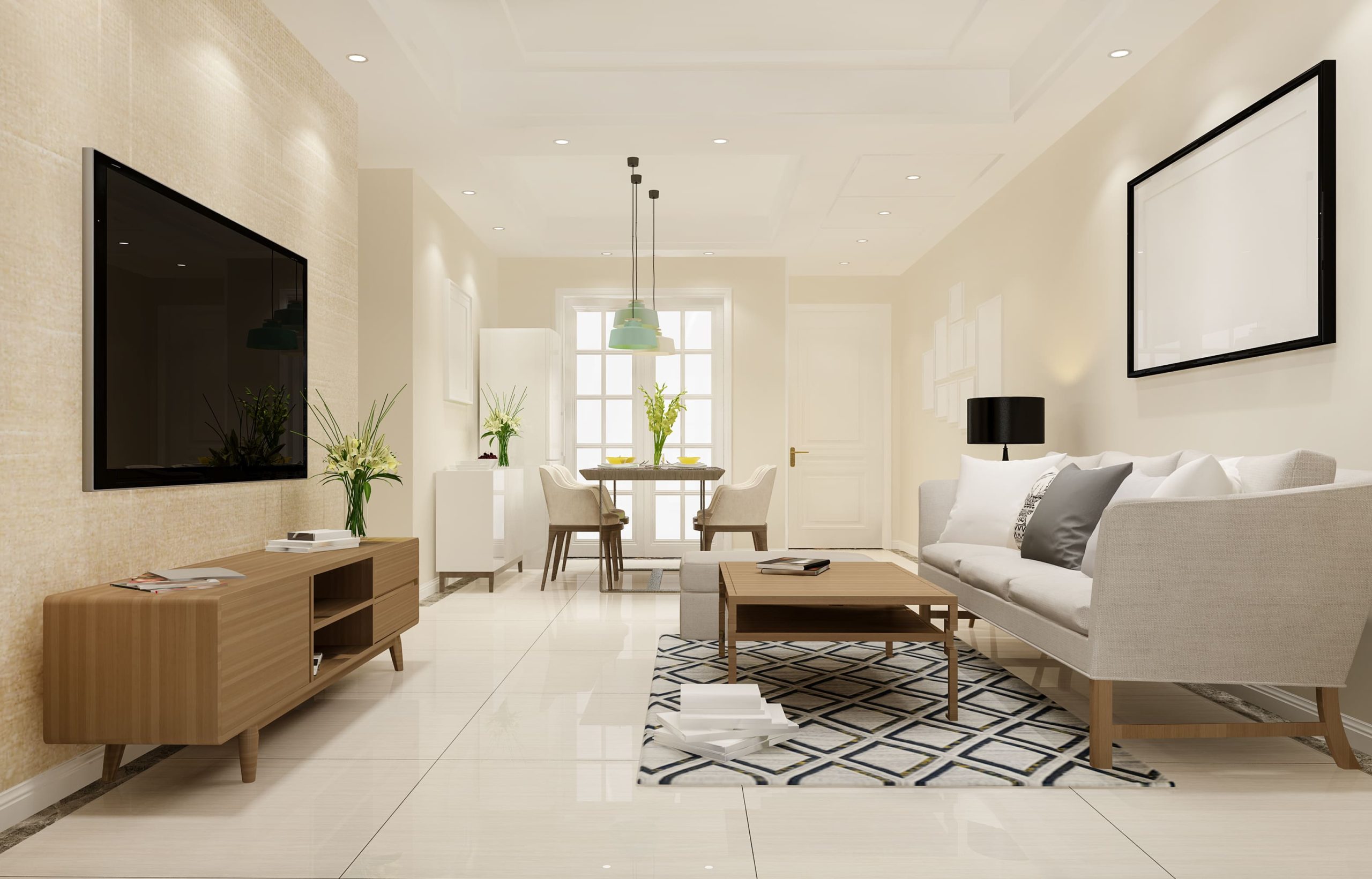
Decorating the interior of your home is an exciting opportunity to express your personal style and create a comfortable, inviting space. Whether you’re starting from scratch or looking to refresh your current decor, these steps will guide you through the process of transforming your home into a beautiful and functional living space.
1. Determine Your Style
- Explore Inspirations: Look through home decor magazines, websites, and social media platforms like Pinterest and Instagram for ideas. Identify what appeals to you—be it modern, traditional, rustic, or eclectic styles.
- Create a Mood Board: Collect images, fabric swatches, and color samples that resonate with your desired look. This visual reference will help you maintain consistency throughout the decorating process.
2. Plan Your Layout
- Assess Your Space: Measure your rooms and create a floor plan. Consider the flow of movement and how different areas will be used.
- Functionality First: Prioritize functionality. Ensure there is enough space for movement and that furniture placement enhances the room’s purpose.
3. Choose a Color Scheme
- Start with a Base Color: Select a neutral base color for walls and large pieces of furniture. Neutrals provide a versatile backdrop that allows for flexibility in accent colors and decor.
- Add Accents: Choose one or two accent colors to bring vibrancy and personality to your space. These can be incorporated through accessories, artwork, and smaller furniture pieces.
4. Furniture Selection
- Quality Over Quantity: Invest in high-quality, timeless pieces of furniture. These will form the foundation of your decor and can be updated with changing trends.
- Mix and Match: Don’t be afraid to mix different styles and textures. A blend of modern and vintage pieces can create a unique and inviting atmosphere.
5. Lighting
- Layer Your Lighting: Use a combination of ambient, task, and accent lighting to create a well-lit and inviting space. Ambient lighting provides overall illumination, task lighting focuses on specific areas, and accent lighting highlights architectural features or artwork.
- Natural Light: Maximize natural light by using sheer curtains or blinds that can be easily adjusted. Mirrors can also help reflect light and make a room feel brighter and more spacious.

Example of layout planinng
6. Accessorize Thoughtfully
- Personal Touches: Incorporate personal items such as family photos, travel souvenirs, and artwork that reflect your interests and experiences.
- Balance and Proportion: Arrange accessories in groupings of odd numbers and varying heights to create visual interest. Ensure that the scale of accessories complements the furniture and the room size.
7. Textures and Patterns
- Layer Textures: Add depth and warmth to your decor by layering different textures—think soft rugs, plush cushions, and woven baskets.
- Mix Patterns: Combine patterns such as stripes, florals, and geometrics. Keep a consistent color palette to avoid overwhelming the space.
8. Greenery and Natural Elements
- Indoor Plants: Introduce indoor plants to add a touch of nature and improve air quality. Choose low-maintenance varieties if you’re new to plant care.
- Natural Materials: Incorporate natural materials like wood, stone, and linen to create a warm and inviting environment.
9. Art and Decor
- Statement Pieces: Select a few statement pieces of art or decor that serve as focal points in your rooms. These can be large paintings, sculptures, or unique furniture items.
- Gallery Walls: Create a gallery wall with a mix of photos, prints, and artwork. Arrange them in a cohesive layout that complements your overall decor theme.
10. Final Touches
- Consistency: Ensure that the overall decor flows smoothly from room to room. While each space can have its unique elements, maintaining a consistent style and color palette creates harmony.
- Edit and Curate: Less is often more. Avoid clutter by regularly editing and curating your decor. Only keep items that you love and that add value to your space.
By following these steps, you can create a beautifully decorated home that reflects your personality and meets your practical needs. Remember, decorating is a process, and it’s okay to take your time to get everything just right. Enjoy the journey of making your house truly feel like home.


